Wisconsin's Role in the Aerospace Industry through Swiss Precision Machining
The Evolution of Aerospace Manufacturing in Wisconsin
Historical Overview of Aerospace in Wisconsin
Wisconsin's aerospace manufacturing industry has deep roots, dating back to the early 20th century. The state's rich industrial background laid the groundwork for aerospace innovation. Early aircraft manufacturing in Wisconsin primarily revolved around the production of parts for military aircraft during World War II. Companies like McCormick Industries emerged as critical players, providing essential components that supported the war effort. Over the decades, the aerospace sector evolved, embracing technological advancements and expanding its product offerings. This historical context highlights how Wisconsin positioned itself as a vital hub in the aerospace industry, merging its industrial expertise with burgeoning aviation technology.
The Growth of Precision Machining in the Aerospace Sector
Precision machining has become synonymous with aerospace manufacturing in Wisconsin. The shift towards high-tech manufacturing methods, particularly Swiss precision machining, revolutionized the production of aerospace components. Industries began adopting CNC machining techniques, allowing for unparalleled accuracy and repeatability. This transition led to a surge in local companies specializing in custom precision machining, which catered specifically to the stringent requirements of the aerospace sector. The focus on high-quality outputs and the ability to meet exacting tolerances established Wisconsin as a leader in aerospace precision parts, creating a robust ecosystem of suppliers and manufacturers.
Influence of Local Industries on Aerospace Manufacturing
Wisconsin's diverse industrial landscape significantly influences its aerospace manufacturing capabilities. The state is home to a thriving telecommunications and electronics industry, which complements aerospace needs by providing sophisticated electronic components and systems. Additionally, the automotive industry has contributed to a skilled workforce proficient in precision machining. This cross-industry synergy fosters innovation and collaboration among manufacturers, resulting in advanced aerospace solutions. Wisconsin's commitment to high-tech manufacturing practices enables local companies to thrive in the competitive aerospace market, leveraging shared technologies and expertise to enhance the overall efficiency of production processes.
Swiss Precision Machining: A Key Player in Aerospace
Understanding Swiss CNC Machining Techniques
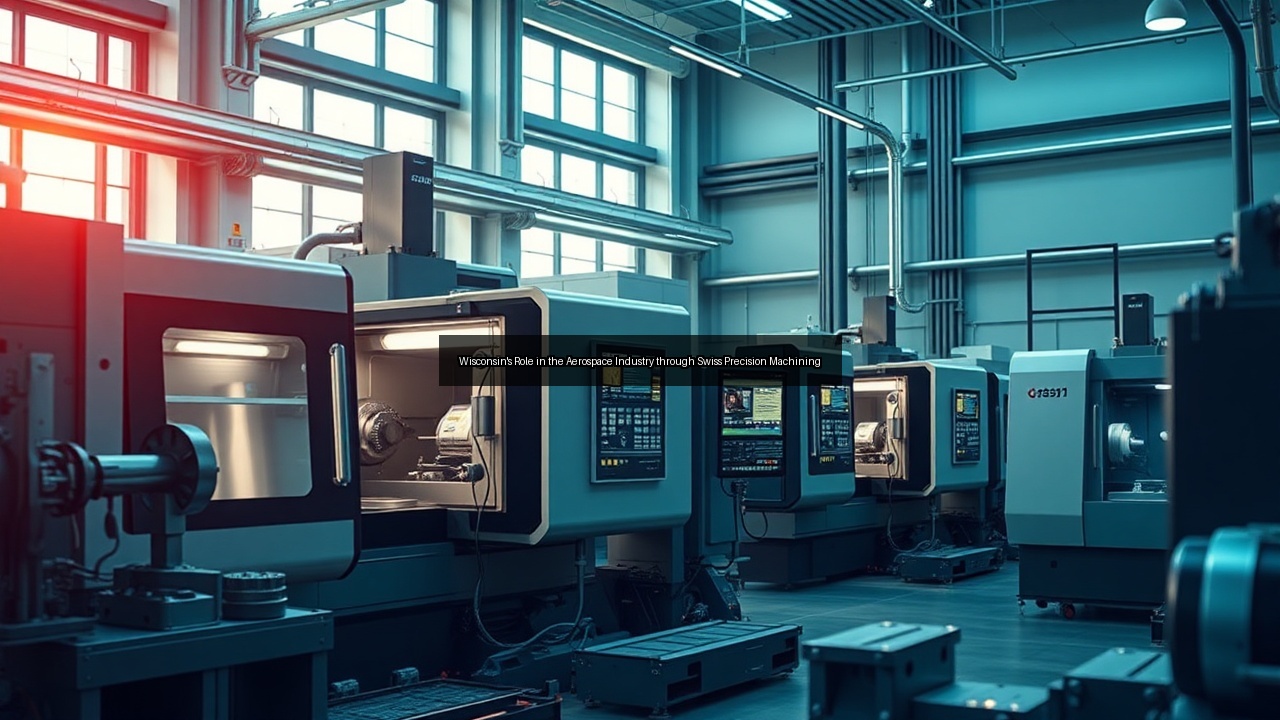
Swiss CNC machining techniques have gained prominence in the aerospace sector due to their precision and efficiency. This method relies on CNC lathes designed to produce highly intricate components with tight tolerances. Swiss machining centers allow for continuous production, minimizing setup times and maximizing output. The unique design of Swiss machines enables them to handle complex geometries, which is essential for aerospace applications where accuracy is paramount. By utilizing advanced tooling and automation, Wisconsin’s manufacturers can achieve high productivity rates while maintaining the stringent quality standards required in the aerospace industry.
Role of CNC Lathes and Machining Centers
CNC lathes and machining centers play a pivotal role in the production of aerospace components in Wisconsin. These machines facilitate the creation of precision parts, from simple shapes to complex assemblies. The adaptability of CNC lathes allows for the machining of various materials, including aluminum, titanium, and high-strength alloys often used in aerospace applications. Additionally, machining centers enhance operational efficiency by performing multiple tasks in a single setup, reducing the need for multiple machines and minimizing errors. By integrating these advanced machines into their production processes, Wisconsin manufacturers can produce high-quality Swiss machined components that meet the rigorous demands of the aerospace industry.
Accuracy and Tolerances in Aerospace Components
In aerospace manufacturing, accuracy and tolerances are non-negotiable. Components must withstand extreme conditions, including high pressures and temperatures, while maintaining structural integrity. Swiss precision machining excels in achieving the necessary tolerances, often within microns, ensuring that every part fits seamlessly in complex assemblies. Wisconsin’s manufacturers leverage advanced measurement technologies and quality control processes to guarantee compliance with aerospace standards. The focus on precision not only enhances product performance but also boosts safety and reliability in aerospace operations. As a result, Wisconsin’s reputation for producing highly accurate machined parts continues to solidify its standing in the global aerospace market.
Integrating High-Tech Machining in Wisconsin's Aerospace Industry
Advancements in CNC Milling and Turning
CNC milling and turning technologies have transformed the landscape of aerospace manufacturing in Wisconsin. These high-tech machining processes allow for the efficient production of intricate aerospace components with high accuracy. Recent advancements in CNC milling machines include multi-axis capabilities that enable manufacturers to create complex geometries in a single setup. This innovation reduces lead times and enhances productivity, making it easier for companies to respond to the fast-paced demands of the aerospace sector. Turning processes have similarly evolved, with enhanced tooling and automation increasing the efficiency and accuracy of producing cylindrical parts used in various aerospace applications.
Applications of Swiss Machined Components in Aerospace
Swiss machined components find numerous applications within the aerospace industry, from critical engine parts to intricate structural components. The precision and reliability of these parts ensure optimal performance in challenging environments. Components like valve bodies, housings, and brackets, often produced using Swiss CNC machining, showcase the versatility and capability of Wisconsin's manufacturers. These parts not only meet the rigorous demands of aerospace engineering but also align with industry standards for quality and performance. The seamless integration of Swiss machined components into aircraft systems underscores Wisconsin's vital role in supporting the aerospace supply chain.
Collaboration Between Wisconsin Companies and Aerospace Firms
Collaboration plays a crucial role in advancing Wisconsin’s position in the aerospace industry. Local companies frequently partner with major aerospace firms to develop innovative solutions and enhance product offerings. These collaborations often focus on research and development, with firms sharing expertise and resources to push the envelope in aerospace technology. Joint ventures facilitate knowledge transfer, enabling Wisconsin manufacturers to adopt cutting-edge technologies and stay ahead of industry trends. This collaborative spirit fosters a vibrant aerospace ecosystem, driving growth and ensuring that Wisconsin remains a key player in the global aerospace manufacturing arena.
Challenges and Future Directions for Wisconsin's Aerospace Machining
Addressing Skills Gaps in Precision Machining
Despite its strengths, Wisconsin's aerospace machining sector faces challenges, particularly in addressing skills gaps. The rapid evolution of technology demands a workforce proficient in advanced machining techniques and high-tech operations. Educational institutions and manufacturers must collaborate to develop training programs that equip aspiring machinists with the necessary skills. Initiatives aimed at promoting careers in precision machining can help attract a new generation of talent. By investing in workforce development, Wisconsin can ensure that its aerospace industry maintains its competitive edge and continues to produce high-quality components.
The Impact of Technology on Manufacturing Processes
Technology continually reshapes manufacturing processes within Wisconsin’s aerospace sector. Automation, artificial intelligence, and advanced analytics are just a few areas driving efficiency and quality improvements. These technologies streamline operations, reduce waste, and enhance precision, ultimately leading to lower production costs and faster turnaround times. Companies that embrace these innovations will be better positioned to meet the evolving demands of the aerospace market. Wisconsin's manufacturers must remain agile and adaptable, leveraging technology to stay competitive in a rapidly changing industry landscape.
Sustainability in Aerospace Manufacturing Practices
Sustainability emerges as a critical focus for Wisconsin's aerospace machining industry. As environmental concerns heighten, manufacturers must adopt eco-friendly practices throughout their operations. This includes utilizing sustainable materials, optimizing energy consumption, and minimizing waste through efficient machining processes. Implementing these practices not only aligns with global sustainability goals but also appeals to consumers increasingly concerned about environmental impacts. By prioritizing sustainability, Wisconsin’s aerospace sector can enhance its reputation, attract new customers, and contribute positively to the broader community.
See Also
- How Wisconsin is Leading the Charge in Swiss CNC Machining Innovation
- A Look Inside McCormick Industries and Their Swiss Machining Capabilities
- How Wisconsin's Swiss Lathes are Setting New Standards for Quality
- Precision Redefined The Art of Swiss Machining in Wisconsin
- From Automotive to Aerospace Why Swiss Precision Matters in Wisconsin