From Concept to Shelf How Contract Manufacturing Transforms Cosmetics
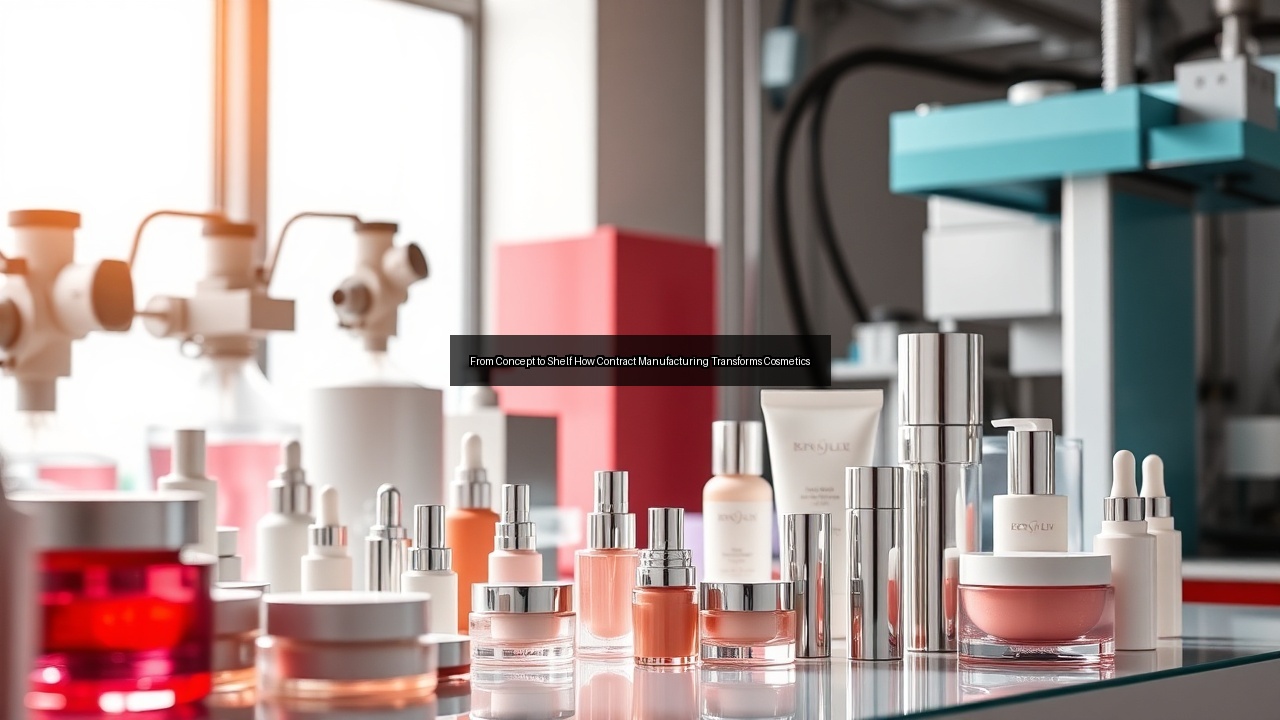
The Role of Contract Manufacturing in the Cosmetics Industry
Understanding Contract Manufacturing in Cosmetics
Contract manufacturing cosmetics allows brands to outsource production to specialized facilities that handle everything from formulation to final output. Cosmetic manufacturers take client ideas and turn them into finished skincare and makeup lines without requiring the brand to invest in its own plant. This model supports startups and established names alike by providing access to equipment, expertise, and regulatory knowledge. A contract manufacturer focuses on scaling batches while maintaining consistency across skincare products and makeup formulas. Brands gain flexibility to test new concepts without heavy capital outlay. Many companies choose this route because it reduces lead times and lets them concentrate on marketing rather than daily operations. Contract manufacturing services cover both small runs and large volumes, making them suitable for seasonal collections or steady product lines. The approach has become standard in the cosmetics sector because it connects creative vision with reliable execution at every stage.
Benefits of Partnering with Contract Manufacturers
Partnering with contract manufacturers delivers clear advantages for cosmetic brands seeking growth. These partners manage ingredient procurement, stability testing, and batch production under one roof, which lowers overall expenses. Brands avoid the cost of building or maintaining their own manufacturing lines while still meeting demand for high-quality skincare and cosmetic products. Contract manufacturing cosmetics also brings specialized knowledge in areas like preservative systems and texture optimization that internal teams may lack. Smaller companies reach market faster because they skip the learning curve associated with equipment calibration and quality audits. Larger firms use the same partners to handle overflow production during peak seasons. Traceability systems built into these operations help track every batch from raw material arrival to shipment. The result is consistent output that meets both client specifications and industry standards without tying up internal resources.
Types of Contract Manufacturing Services for Cosmetics
Contract manufacturing services for cosmetics span several categories tailored to different product types. Full-service providers handle formulation development, ingredient blending, filling, and labeling for skincare products and makeup. Others specialize in cosmeceutical lines that combine cosmetic appeal with active ingredients backed by research. Some facilities focus on color cosmetics such as foundations and lipsticks, while others concentrate on emulsions like creams and serums. Hybrid models combine private-label options with custom development, giving brands a choice between ready formulas and bespoke creations. Quantity flexibility stands out as another distinction, with minimum order sizes ranging from a few hundred units to thousands. Automation levels vary across providers, affecting turnaround times and cost structures. Brands evaluate these service types based on their target market, desired speed to shelf, and specific formulation needs before selecting a partner.
Transforming Ideas into Skincare and Makeup Products
From Concept Development to Formulation
Contract manufacturing cosmetics begins with translating a brand concept into a stable, marketable formula. Teams review the initial brief, identify target textures, and select compatible ingredients that deliver promised benefits for skincare and makeup. Development chemists create prototypes, adjust viscosity, and refine scent profiles until the product matches expectations. This iterative process often requires multiple rounds of adjustments to achieve the right feel and performance. Once approved, the formula moves into pilot batches that test production equipment compatibility. Contract manufacturers document every parameter so future runs remain identical. The transition from idea to tangible product relies on clear communication between the brand and the manufacturing team. Effective formulation work prevents issues like separation or color drift that could arise later during scale-up. This stage sets the foundation for everything that follows in the production pipeline.
Ingredient Sourcing and Quality Control
Ingredient sourcing forms a critical step in contract manufacturing cosmetics. Manufacturers maintain approved supplier lists and verify each material meets purity standards before acceptance. They test incoming lots for contaminants and confirm identity through certificates of analysis. Quality control checkpoints occur at multiple points, including pre-blending, during mixing, and after filling. Skincare products and makeup require different handling because some ingredients are sensitive to light or temperature. Contract manufacturers document every lot number to support traceability across the entire supply chain. This meticulous approach reduces the risk of recalls and ensures batch-to-batch consistency that retailers and consumers expect. Brands benefit because they receive products that perform reliably without investing in their own laboratory infrastructure. Strong sourcing practices also help control costs by identifying reliable suppliers who deliver on time and within specification.
Research and Development in Cosmetic Manufacturing
Research and development drives innovation inside contract manufacturing cosmetics facilities. Dedicated labs evaluate new active compounds, test stability under various conditions, and explore delivery systems that improve ingredient penetration in skincare products. Development teams collaborate with brands to incorporate trending ingredients while maintaining regulatory compliance. They run accelerated aging studies that predict shelf life and identify potential interactions between components. R&D also addresses performance claims by designing tests that demonstrate efficacy for makeup and treatment products. Continuous improvement programs encourage technicians to refine processes that reduce waste or shorten production cycles. The knowledge accumulated through repeated projects allows manufacturers to anticipate challenges and suggest formulation tweaks that enhance manufacturability. This ongoing research capacity keeps client lines competitive in a fast-moving market.
Navigating FDA Regulations and Compliance
Understanding FDA Regulations for Cosmetics
FDA regulations shape how contract manufacturing cosmetics operates in the United States. The agency classifies cosmetics separately from drugs, yet certain claims can trigger drug status and additional requirements. Manufacturers must ensure products remain free from adulteration and bear proper labeling that lists ingredients in descending order of predominance. Contract manufacturers stay current on guidance documents covering microbial limits, color additive approvals, and prohibited substances. They help brands avoid misbranding issues that arise from unsupported efficacy statements on skincare and makeup packaging. Knowledge of these rules allows partners to flag potential problems during early development rather than after production begins. Compliance teams review marketing copy and product claims to align with FDA expectations. This proactive stance protects brands from warning letters or enforcement actions that could halt distribution.
Ensuring Conformity and Safety in Cosmetic Products
Ensuring conformity requires contract manufacturers to implement rigorous testing protocols for every cosmetic product. Microbial challenge tests verify preservative effectiveness in skincare formulas. Heavy metal screening and stability assessments confirm products remain safe throughout their intended shelf life. Manufacturers document all test results and retain samples for future reference. Safety evaluations include eye and skin irritation studies when new ingredient combinations appear. These steps create a defensible record that supports conformity with both FDA expectations and retailer standards. Brands receive detailed reports that demonstrate due diligence. Consistent safety practices also reduce liability exposure for everyone involved in the supply chain. The emphasis on verifiable data helps maintain consumer trust in the finished makeup and skincare lines.
The Importance of Traceability in Manufacturing
Traceability systems in contract manufacturing cosmetics link every batch to its raw materials, processing parameters, and distribution records. Each ingredient lot receives a unique identifier that follows the product through blending, filling, and packaging stages. This chain of custody allows rapid identification of any issue that surfaces after products reach retail shelves. Manufacturers maintain electronic records that regulators or brands can access during audits. Traceability also supports efficient recalls if necessary, limiting the scope and protecting brand reputation. For international shipments, these records help satisfy import requirements from various countries. The discipline of maintaining complete documentation strengthens overall quality management and provides peace of mind for companies that outsource production. Effective traceability has become a baseline expectation rather than a differentiator in the cosmetics manufacturing sector.
Packaging and Design: The Final Touch
Innovative Packaging Solutions for Cosmetic Products
Contract manufacturing cosmetics extends to packaging decisions that protect product integrity while enhancing user experience. Manufacturers offer options such as airless pumps that reduce oxidation in skincare formulas and dropper bottles that deliver precise amounts of serums. They evaluate compatibility between formula and container material to prevent leaching or degradation. Innovative features like magnetic closures or refillable components add perceived value to makeup lines. Production lines accommodate multiple packaging formats on the same equipment, supporting variety without excessive changeover time. Suppliers often provide guidance on sizing that balances consumer convenience with shipping efficiency. The right packaging choice directly influences shelf life and customer satisfaction for both skincare products and color cosmetics.
The Role of Packaging Design in Marketing
Packaging design serves as a primary marketing tool once products reach retail environments. Contract manufacturers collaborate with brand teams to translate visual identity into functional containers that stand out on shelves. Color, typography, and finish communicate product positioning for skincare and makeup lines. Structural elements such as shape and material convey premium quality or sustainability values. Manufacturers run compatibility tests to ensure graphics and coatings survive filling and distribution without damage. Effective design balances aesthetics with practical considerations like label adhesion and child-resistant closures where required. The final package becomes an extension of the brand story that influences purchase decisions at the point of sale.
Sustainability in Cosmetic Packaging
Sustainability initiatives now influence packaging choices throughout contract manufacturing cosmetics. Manufacturers introduce post-consumer recycled plastics, biodegradable components, and refill systems that reduce single-use waste. They evaluate lifecycle impacts when recommending materials for skincare products and makeup containers. Some facilities incorporate PCR content targets into standard offerings to help brands meet corporate responsibility goals. Lightweighting strategies lower shipping costs and carbon footprints without compromising protection. Traceability extends to packaging suppliers, ensuring ethical sourcing of raw materials. These efforts align with consumer demand for environmentally conscious cosmetic products while maintaining performance standards expected from finished goods.
Logistics and Automation in Cosmetic Manufacturing
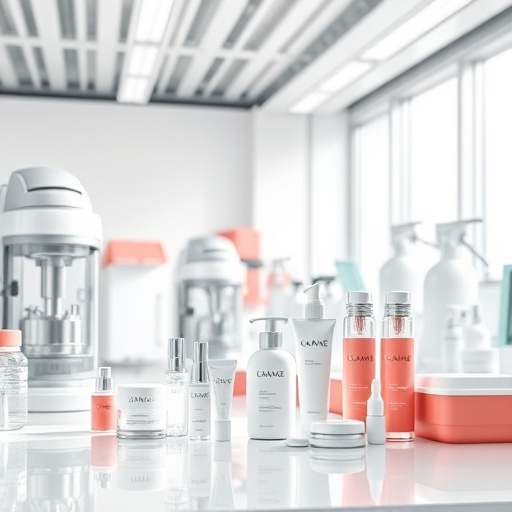
Streamlining Production Processes with Automation
Automation improves efficiency in contract manufacturing cosmetics by handling repetitive tasks with precision. Robotic filling lines maintain consistent volumes across high-speed runs of skincare and makeup products. Automated mixing systems control temperature and shear rates that affect emulsion stability. Vision inspection stations detect defects in packaging or labeling before cases ship. These technologies reduce human error and support larger quantities without proportional increases in labor. Contract manufacturers invest in modular equipment that adapts to different container sizes and viscosities. Data collected from automated systems feeds into process optimization that shortens cycle times. The result is reliable output that meets delivery commitments while controlling production costs.
Managing Logistics for Cost Efficiency
Logistics management plays a central role in keeping contract manufacturing cosmetics competitive. Manufacturers coordinate raw material deliveries to avoid production delays and excess inventory carrying costs. Finished goods move through warehousing and distribution networks that match client demand patterns. Freight optimization and consolidated shipping reduce per-unit expenses for both domestic and export orders. Inventory visibility tools let brands track stock levels and adjust forecasts in real time. Efficient logistics also support just-in-time production models that minimize storage needs. Contract manufacturers with established carrier relationships pass along savings that improve overall margins for cosmetic product lines.
Challenges in Scaling Up Production
Scaling production presents several challenges for contract manufacturing cosmetics partners. Equipment capacity must accommodate sudden demand spikes without quality loss. Formulation adjustments sometimes become necessary when moving from lab batches to full-scale runs because mixing dynamics change. Supply chain disruptions can affect ingredient availability and force substitutions that require revalidation. Workforce training ensures operators maintain consistency across multiple shifts. Manufacturers address these issues through capacity planning, redundant supplier agreements, and detailed process documentation. Successful scale-up preserves the product characteristics established during development while meeting increased quantity requirements from growing brands.
See Also
- Navigating FDA Regulations in Cosmetic Contract Manufacturing
- The Rise of Contract Manufacturing in Skincare and Makeup Innovation
- Exploring Hybrid Models in Contract Manufacturing for Skincare and Makeup Products
- Unlocking the Secrets of Contract Manufacturing for the Cosmetic Industry
- The Role of Automation in Modern Cosmetic Manufacturing Solutions