From Maintenance to Automation Discover the Benefits of Lube Systems
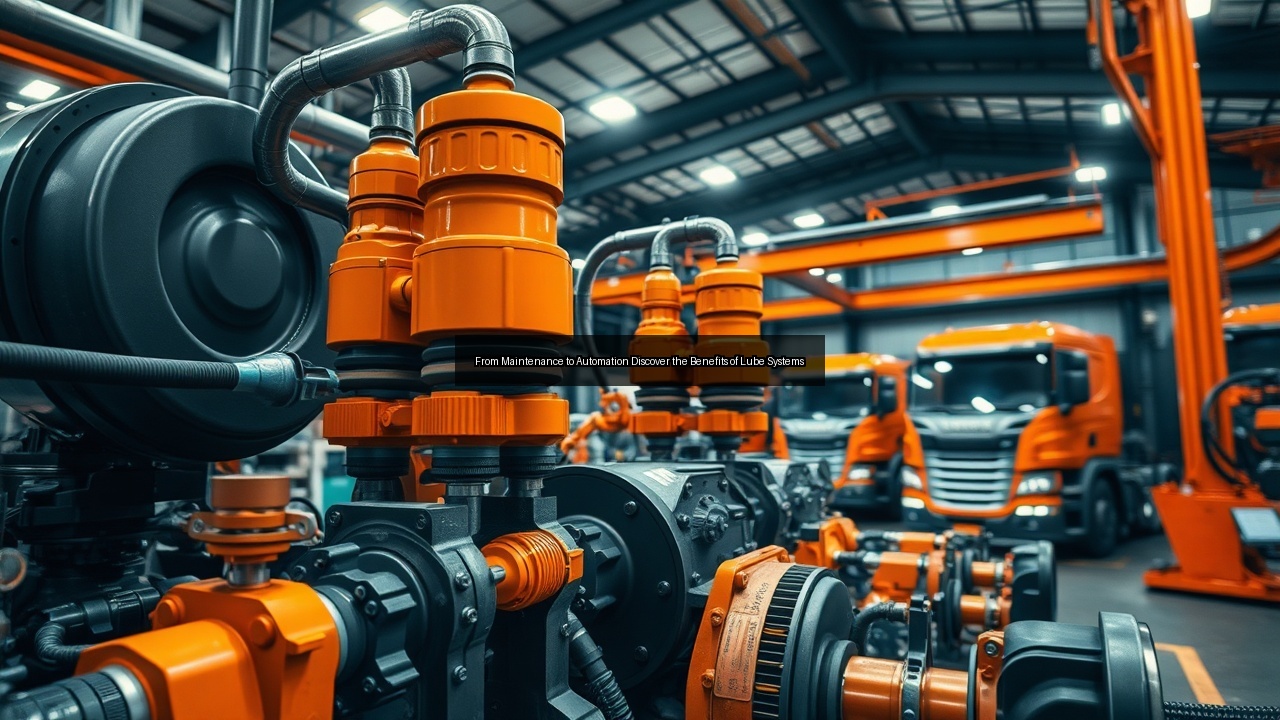
From Maintenance to Automation Discover the Benefits of Lube Systems
What is an Automatic Lubrication System?
An automatic lubrication system delivers precise amounts of lubricant to bearings and other moving parts without manual intervention. Operators replace traditional grease guns and scheduled checks with centralized pumps that push oil or grease through lines to multiple points. This setup runs on timers or sensors that activate during equipment operation, ensuring consistent film strength even in harsh environments. Trucks and trailers benefit immediately because drivers no longer stop for greasing sessions that eat into route time. The system also records usage data, allowing teams to verify that every connector receives the correct quantity. Over time, fleets notice fewer unplanned stops and steadier uptime across compressors, conveyors, and gearboxes. By shifting from reactive repairs and maintenance to scheduled automation, companies cut labor hours and eliminate the guesswork that often leads to over- or under-lubrication.
Key Components of Lube Systems
Every reliable lube system centers on a pump, reservoir, metering valves, and distribution lines. The pump builds pressure to move lubricant from the reservoir through progressive or injector-style valves that meter exact volumes to each bearing. Connectors and fittings maintain leak-free paths even under vibration common in trucks and trailers. Modern units add pressure sensors and low-level switches that feed data into condition monitoring platforms. These components work together so operators receive alerts before a line clogs or a pump starves a critical point. Integration with existing controls lets maintenance teams track lubricant consumption against equipment hours, revealing patterns that guide future quantity adjustments. When all elements function in sync, the entire assembly protects bearings far more consistently than sporadic manual greasing ever could.
Types of Automatic Lubricators
Single-line parallel systems serve many points simultaneously from one pump, making them popular for large data centers with multiple air handlers. Progressive systems deliver lubricant sequentially through a series of valves, ideal for compressors where each stage requires a measured shot. Dual-line setups handle extreme distances and cold temperatures common on trucks and trailers. Battery-powered lubricators mount directly on individual bearings for small applications or retrofits. Spray systems coat open gears and chains with a fine mist, while oil circulation units cool and filter lubricant before returning it to bearings. Each type matches specific load, speed, and environmental demands, letting engineers select the right automatic lubricators without overcomplicating the installation.
Enhanced Reliability and Reduced Downtime
Switching to an automatic lubrication system removes the variability of manual greasing schedules. Bearings receive fresh lubricant at exact intervals, keeping film thickness stable even during continuous operation. This consistency directly improves reliability because friction-related heat stays within design limits. Plants report fewer bearing failures and less secondary damage to shafts and housings. Downtime drops because technicians no longer halt production lines for greasing rounds. Instead, the system works while equipment runs, preserving output targets. In data centers, uninterrupted cooling fans translate into stable server performance and fewer thermal alarms. Fleet managers tracking trucks and trailers see similar gains when automatic lubricators eliminate roadside stops that previously disrupted delivery windows.
Lower Maintenance Costs and Improved Efficiency
Automated delivery reduces labor hours spent on lubrication rounds and cuts lubricant waste caused by over-application. Pumps meter only the required quantity, so reservoirs last longer and disposal volumes shrink. Fewer bearing replacements mean lower parts budgets and reduced repair calls. Condition monitoring data helps teams predict when filters or lines need attention, preventing emergency overtime. Overall maintenance costs fall as equipment spends more time producing and less time waiting for service. Efficiency rises because operators focus on higher-value tasks instead of routine greasing. In compressor rooms, automated systems maintain optimal oil levels without daily checks, freeing staff for performance tuning that further lowers energy consumption.
Improved Bearing and Equipment Lifespan
Consistent lubrication prevents metal-to-metal contact that accelerates wear. Bearings protected by automatic lubrication systems often exceed original design life because contamination and starvation events become rare. Extended service intervals also reduce the cumulative stress from repeated disassembly during manual greasing. Compressors, gearboxes, and conveyor drives all show measurable gains in mean time between failures once automation takes over. Fleet operators note that trucks and trailers accumulate higher mileage before major overhauls become necessary. The financial impact compounds as replacement cycles stretch and capital expenditures drop. Reliable operation further protects surrounding components, creating a cascade of longer equipment life across the entire asset base.
Lube Solutions in Trucks and Trailers
Trucks and trailers face constant vibration, temperature swings, and road debris that challenge manual lubrication routines. Automatic lubrication systems mount compact pumps on the chassis and route lines to kingpins, slack adjusters, and fifth-wheel plates. Drivers gain hours of productive time previously lost to stops for greasing. Fleets report fewer wheel-end failures and reduced warranty claims tied to neglected bearings. Many systems integrate with telematics so dispatchers see lubricant levels and pump cycles in real time. This visibility supports proactive scheduling of reservoir refills during regular service visits rather than roadside emergencies.
Utilizing Automatic Lube Systems in Data Centers
Data centers rely on continuous airflow from hundreds of fans and chillers. Automatic lubrication systems keep those motors and bearings supplied without opening cabinets or shutting down rows. Centralized pumps serve multiple air handlers from a single reservoir, simplifying inventory management. Sensors track pressure and flow, feeding data into building management platforms that flag anomalies before temperature rises affect servers. The quiet, consistent operation also reduces acoustic concerns in occupied spaces. Facility teams appreciate the lower maintenance costs and the elimination of ladder work in tight ceiling spaces.
The Role of Automation in Compressor Maintenance
Compressors demand precise oil delivery to crankshafts, cylinders, and crossheads. Automatic lubrication systems replace daily dipstick checks and manual top-offs with metered pumps that match output to load. This precision prevents both under-lubrication that scores surfaces and over-lubrication that contaminates discharge air. Plants using automated setups record longer valve life and fewer unplanned shutdowns. Integration with compressor controls lets the system pause during low-load periods, conserving lubricant while still protecting critical surfaces. The result is cleaner operation and lower overall repair frequency.
Factors to Consider: Lubricant Types and Quantity
Selecting the right lubricant starts with matching viscosity and additive packages to bearing speeds, loads, and ambient conditions. Automatic lubrication systems then require calibration so each point receives the correct quantity per cycle. Over-delivery wastes product and attracts contaminants, while under-delivery risks metal contact. Engineers review OEM guidelines and equipment duty cycles before setting pump output. Many modern units allow field adjustments through digital interfaces, letting teams fine-tune delivery after initial installation. Proper sizing of reservoirs and line diameters further ensures consistent pressure across all points, even when ambient temperatures fluctuate.
Comparing Brands and Technologies
Leading brands differentiate through pump durability, ease of programming, and compatibility with condition monitoring software. Some automatic lubrication systems offer modular blocks that expand with equipment changes, while others emphasize compact designs for tight installations on trucks. Buyers compare cycle times, pressure ratings, and power options before committing. Field tests often reveal which units maintain accurate metering after months of vibration or temperature extremes. Service networks and parts availability also influence long-term ownership costs, especially for fleets operating across multiple regions.
Condition Monitoring and System Integration
Advanced automatic lubrication systems transmit pressure, level, and cycle data directly into plant SCADA or fleet telematics platforms. Condition monitoring software analyzes trends to predict when bearings approach wear limits or when lines risk blockage. Integration allows automatic alerts that prompt refills or inspections before failures occur. In data centers, this connectivity ties lubrication status to overall cooling performance metrics. Fleet managers gain similar oversight across dispersed trucks and trailers. The combined visibility turns lubrication from a background task into a measurable contributor to overall equipment effectiveness.
The Impact of IoT on Automatic Lubricators
Internet-connected sensors now let automatic lubricators report real-time performance from remote sites. Pumps equipped with cellular or Wi-Fi modules send usage data to cloud dashboards that flag deviations instantly. Maintenance teams adjust quantity settings remotely instead of traveling to each compressor or conveyor. In trucks and trailers, IoT modules combine lubrication records with GPS data to correlate duty cycle with wear patterns. This connectivity accelerates troubleshooting and supports predictive models that further extend bearing life while lowering unplanned repair events.
Emerging Innovations in Lube Systems and Equipment
New developments include self-diagnosing pumps that detect line leaks and self-sealing connectors that reduce installation time. Some systems now incorporate ultrasonic sensors that verify lubricant presence inside bearings without disassembly. Spray technologies have evolved to deliver micro-doses that minimize fling-off on high-speed applications. Researchers explore bio-based lubricants compatible with automatic lubrication systems to meet sustainability targets. These advances continue to shift lubrication from periodic maintenance into a fully integrated automation layer that protects assets and controls costs across industries.
See Also
- Exploring the Top Brands of Automatic Lubrication Solutions on the Market
- How Automatic Lubrication Systems Enhance Reliability in Heavy-Duty Trucks
- Understanding the Impact of Lubrication Technology on Maintenance Costs
- Automated Lube Systems Versus Manual Greasing Which is Right for Your Fleet
- Cost Savings Unveiled by Implementing Automatic Grease Systems in Industrial Settings