Navigating the World of Fuel Treatment Chemicals What You Need to Know

Understanding Fuel Treatment Chemicals
What are Fuel Treatment Chemicals?
Fuel treatment chemicals stand as essential solutions for maintaining optimal performance in engines across various vehicles. These specialized additives blend into gasoline or diesel to address common fuel-related issues, from contamination to degradation. Drivers often encounter subpar fuel quality at the gas station, where water, dirt, or microbial growth can infiltrate the fuel tank. Fuel treatment chemicals counteract these problems by stabilizing the fuel, preventing oxidation, and ensuring clean combustion. In practical terms, they serve as a protective layer for the entire fuel system, extending the lifespan of components like fuel injectors and pumps. For car owners and motorcycle enthusiasts alike, incorporating fuel treatment into routine maintenance routines boosts reliability. Experts recommend using these chemicals especially during seasonal changes, when fuel can absorb moisture from the tank. Beyond basic cleaning, advanced fuel treatment formulas include detergents that dissolve deposits built up over time. This proactive approach not only safeguards the engine but also aligns with broader goals of fuel economy. As vehicles evolve with stricter emissions standards, fuel treatment chemicals emerge as indispensable tools for modern drivers seeking efficiency and longevity in their rides.
Types of Fuel Treatment Products
Fuel treatment products come in diverse forms tailored to specific needs, such as improving fuel efficiency treatment or tackling diesel-specific challenges. Common types include multi-purpose additives that clean the entire fuel system while enhancing combustion. For gasoline engines in cars and motorcycles, octane boosters raise fuel quality to prevent knocking and improve power output. Diesel users benefit from cetane improvers, which ignite fuel more readily for smoother operation and better cold starts. Another category focuses on water dispersants, crucial for removing moisture that accumulates in the fuel tank during humid conditions or improper storage. Anti-gel agents prove vital in winter, preventing diesel from solidifying in the lines. Stabilizers extend the shelf life of stored fuels, ideal for seasonal vehicles like boats or off-road motorcycles. Biocides target microbial contamination, a frequent issue in diesel tanks left idle. Each type of fuel treatment product targets distinct aspects of fuel quality, from corrosion inhibition to lubricity enhancement. Selecting the right one depends on your vehicle's demands, whether it's a high-performance car or a heavy-duty truck. These products, available over the counter or through fuel treatment services, empower owners to customize their maintenance strategy effectively.
How Fuel Treatment Additives Work
Fuel treatment additives operate through chemical reactions that transform problematic fuel elements into harmless byproducts. When added to the fuel tank, they disperse evenly throughout the gasoline or diesel, targeting deposits on fuel injectors and valves. Detergents in these additives act like microscopic scrubbers, breaking down carbon buildup and varnish that hinder flow. This cleaning process restores the fuel system's efficiency, allowing precise fuel delivery to the engine. Polymers in some formulas coat metal surfaces, forming a protective barrier against corrosion caused by acidic combustion residues. For diesel engines, lubricity agents reduce wear on high-pressure pumps by maintaining a thin oil film. Combustion enhancers modify the fuel's burn rate, leading to complete oxidation and minimal residue. In the fuel tank, dispersants emulsify water, preventing phase separation that could damage components downstream. Over time, consistent use of fuel treatment additives minimizes sludge formation and extends intervals between professional services. Riders of motorcycles notice quicker throttle response, while car drivers experience steadier idling. Ultimately, these additives integrate seamlessly with the vehicle's operation, quietly optimizing every tank of fuel for peak performance and durability.
The Importance of Fuel Treatment for Vehicles
Enhancing Fuel Economy and Efficiency
Fuel treatment directly elevates fuel economy in vehicles by optimizing the combustion process within the engine. Additives refine fuel molecules, ensuring they burn more completely and release maximum energy. This efficiency translates to fewer miles per gallon wasted on incomplete burns or drag from dirty injectors. Car owners report noticeable improvements after just one tank treated with quality fuel additives, especially in stop-and-go traffic where efficiency dips. For diesel trucks hauling loads, treatments boost torque while cutting fuel consumption by up to 5 percent. Motorcycles, with their high-revving engines, gain from additives that reduce friction in the fuel system. Enhanced lubricity means less energy lost to mechanical resistance, directly padding the wallet at the gas station. Fuel treatment also combats ethanol-related issues in gasoline, where water absorption leads to poor mileage. By stabilizing blends, these chemicals maintain consistent energy output. Drivers integrating fuel treatments into their routine see long-term savings, as cleaner systems demand less frequent repairs. This approach not only stretches every dollar spent on fuel but also aligns with eco-conscious driving by maximizing what the tank holds.
Protecting Engine Components
Fuel treatment plays a critical role in shielding engine components from premature wear and failure. Harsh contaminants in untreated fuel erode pistons, valves, and cylinders over time, leading to costly overhauls. Additives form protective films on these parts, neutralizing acids and preventing rust in the fuel tank and lines. In gasoline engines, they deter carbon deposits that insulate spark plugs, causing misfires. Diesel vehicles rely on treatments to maintain injector nozzles, where even minor clogs amplify stress on the high-pressure system. Motor oil alone can't reach these areas, so fuel treatments fill the gap by circulating cleaners through the fuel path. For motorcycles exposed to varying conditions, anti-corrosive agents safeguard aluminum components against biofuel corrosiveness. Regular use extends the life of turbochargers by keeping intake paths clear. Owners of performance cars appreciate how treatments preserve horsepower by avoiding efficiency-robbing buildup. This protection proves especially vital in older vehicles, where original tolerances wear thin. By addressing issues at the source, fuel treatment ensures the engine runs smoothly, delaying the need for invasive repairs and keeping vehicles roadworthy longer.
Reducing Emissions and Improving DPF Performance
Fuel treatment significantly cuts emissions from vehicles by promoting cleaner burns in the engine. Incomplete combustion spews hydrocarbons and particulates, but additives ensure thorough fuel atomization for reduced output. Diesel particulate filters (DPF) benefit immensely, as treatments minimize soot production that clogs these devices. Cleaner fuel leads to fewer regeneration cycles, extending DPF lifespan and avoiding expensive replacements. In cars with catalytic converters, reduced deposits maintain conversion efficiency, lowering nitrogen oxides. Motorcycle riders in urban areas notice compliance with emission tests after adopting fuel treatments. These chemicals also neutralize sulfur compounds that degrade exhaust after-treatment systems. For fleet operators, widespread use of fuel treatment slashes overall environmental impact while meeting regulatory standards. Gasoline blends with high ethanol content burn dirtier, but stabilizers in treatments mitigate this for greener exhaust. Improved DPF performance means less downtime for cleaning, boosting operational efficiency. As global norms tighten, fuel treatment emerges as a straightforward way to align vehicle operation with sustainability goals, benefiting both the planet and the driver's conscience.
Choosing the Right Fuel Treatment Options

Factors to Consider When Selecting Fuel Additives
Selecting fuel additives requires evaluating several key factors to match your vehicle's specific needs. Start with the fuel type—gasoline or diesel—since formulations differ to address unique challenges like cetane for diesel or octane for gas. Consider the engine's age; older cars benefit from heavy-duty cleaners, while new ones need subtle enhancers. Climate plays a role too—anti-gel options suit cold regions, while stabilizers fit humid areas prone to tank condensation. Check compatibility with existing systems, such as ensuring no interference with DPF in modern diesels. Brand reputation and third-party testing provide assurance of efficacy without harmful residues. Dosage instructions matter; over-application can overwhelm the fuel system. For motorcycles, opt for concentrated formulas that work in smaller tanks. Cost-effectiveness weighs long-term savings in fuel economy against upfront price. Read labels for targeted benefits like injector cleaning or corrosion protection. Consulting mechanic reviews or forums helps navigate options. Ultimately, the best fuel additives align with your driving habits, from highway cruising in cars to off-road adventures, ensuring tangible improvements in performance and reliability.
Comparing Fuel Treatment Products for Gasoline and Diesel
Comparing fuel treatment products for gasoline and diesel reveals stark differences tailored to each fuel's properties. Gasoline additives prioritize detergent action to combat port fuel injection buildup, enhancing throttle response in cars and motorcycles. They often include stabilizers to counter ethanol's hygroscopic nature, preventing phase separation in the tank. Diesel treatments, conversely, emphasize cetane boost for ignition timing and lubricity to protect high-pressure common-rail systems. Anti-foam agents in diesel products reduce air pockets during refueling at the gas station, unlike gasoline's focus on anti-knock compounds. Both categories offer multi-functional blends, but diesel versions tackle biodiesel compatibility issues more aggressively. Performance metrics show gasoline treatments improving fuel economy by 2-4 percent, while diesel ones extend DPF intervals. Price points vary—gasoline options trend cheaper per treatment due to simpler chemistry. User experiences highlight diesel treatments' edge in cold weather starts. For hybrid users, universal products bridge the gap, but specialized ones yield superior results. Weighing these aspects helps drivers choose products that optimize their engine's potential, whether powering a sedan or a semi-truck.
Understanding Fuel Treatment Services Available
Fuel treatment services extend beyond DIY additives, offering professional interventions for comprehensive fuel system care. Mechanics provide on-site cleaning using high-volume flush machines that circulate potent solutions through injectors and pumps. Fleet services specialize in bulk treatments for diesel vehicles, ensuring uniform application across multiple tanks. Some gas stations integrate fuel treatment services at the pump, blending additives during fill-ups for convenience. Diagnostic scans precede treatments, identifying issues like contaminated fuel in the tank. For motorcycles, mobile services reach remote areas, applying targeted formulas without disassembly. Premium options include post-treatment performance tests to verify gains in fuel economy. Costs range from affordable quick cleans to in-depth overhauls for neglected systems. These services shine in preventing breakdowns, especially for high-mileage cars. Integration with oil changes bundles maintenance, incorporating lubricant checks. As technology advances, services now use eco-friendly chemicals compliant with emission regs. Engaging these professionals empowers owners to maintain peak vehicle health, sidestepping the guesswork of home remedies and achieving lasting results.
Practical Applications of Fuel Treatments
Using Fuel Treatments in Cars and Motorcycles
Fuel treatments find straightforward applications in cars and motorcycles, enhancing daily drivability across diverse scenarios. Pour the additive into the fuel tank before refueling to ensure even mixing with fresh gasoline or diesel. For cars navigating city streets, quarterly applications clean injectors, smoothing out hesitation during acceleration. Motorcycles, with exposed fuel systems, benefit from monthly doses to combat varnish from short trips. In performance tuning, enthusiasts layer treatments with premium fuels at the gas station for amplified power. Off-road motorcycles endure dirtier conditions, so robust formulas prevent filter clogs. Electric-hybrid cars use them sparingly for gasoline legs, focusing on system longevity. Track days demand pre-event treatments to maximize engine response. Storage periods call for stabilizer-heavy options to preserve fuel in idle tanks. Riders report crisper shifts and reduced vibrations post-treatment. Integrating these into wash-and-wax routines keeps vehicles primed. This hands-on approach demystifies fuel treatment, turning it into a simple ritual that sustains thrill and dependability on every journey.
Impact on Fuel Injectors and Engine Performance
Fuel treatments profoundly influence fuel injectors and overall engine performance by restoring precision to fuel delivery. Clogged injectors spray uneven patterns, starving cylinders and dropping efficiency; treatments dissolve these blockages with penetrating solvents. Clean injectors atomize fuel finely, promoting even combustion for robust torque and horsepower. In diesel engines, this clarity prevents injector tip erosion, a common failure point. Gasoline cars experience revived idle quality, eliminating rough running from carbon-fouled tips. Motorcycles gain sharper revs, as precise injection supports high-RPM demands. Performance dyno tests confirm 5-10 percent gains after consistent use. Treatments also buffer against low-quality fuel at dubious gas stations, maintaining spray volume. For turbocharged setups, cleaner flow reduces lag and heat buildup. Long-term, they curtail knock sensor interventions, preserving timing advances. Engine computers adapt better to treated fuel, optimizing air-fuel ratios dynamically. This cascade effect elevates the entire powertrain, from throttle to exhaust, ensuring vehicles deliver their engineered potential without compromise.
Integrating Fuel Treatments with Motor Oil and Lubricants
Integrating fuel treatments with motor oil and lubricants creates a synergistic shield for vehicle internals. While fuel additives clean the upstream system, oils handle downstream lubrication, but their interplay amplifies protection. Treated fuel burns cleaner, producing less abrasive particulates that could contaminate oil over time. In diesel engines, lubricity enhancers in fuel complement anti-wear additives in motor oil, reducing friction across pumps and bearings. For cars, this duo prevents sludge formation where fuel dilution meets oil reservoirs. Motorcycles, with shared sump designs, demand careful balance to avoid over-lubrication. During oil changes, mechanics often recommend concurrent fuel system flushes for holistic care. Synthetic lubricants pair well with advanced treatments, maintaining viscosity under high loads. This integration extends drain intervals, as cleaner fuel minimizes acid buildup in oil. Fleet managers note fewer bearing failures when combining these. Home mechanics can align treatments with service schedules, pouring additives post-oil top-up. The result? A fortified engine ecosystem where fuel and lubricant work in harmony, driving longevity and peak operation.
Navigating Fuel Treatment at the Gas Station
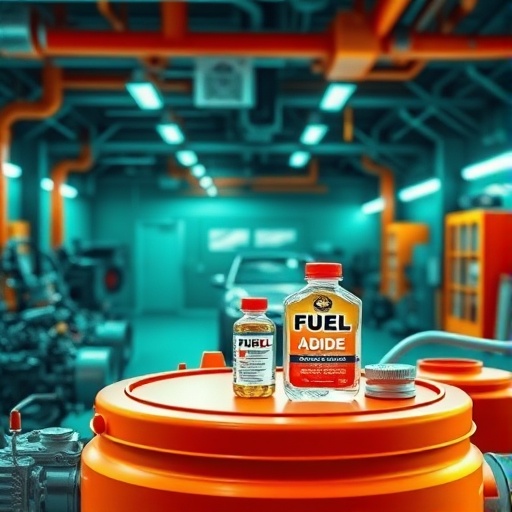
Identifying Quality Fuel Additives
Identifying quality fuel additives at the gas station starts with scrutinizing labels for API or ASTM certifications, ensuring they meet industry benchmarks. Look for clear listings of active ingredients like polyether amines for detergents or fatty acid esters for lubricity. Reputable brands display treat rates, typically one ounce per ten gallons, avoiding vague "all-in-one" claims. Check for diesel-specific icons if fueling trucks, or Top Tier endorsements for gasoline compatibility. Avoid products with excessive fillers that dilute effectiveness. Shelf life matters—fresh bottles prevent degraded performance. User reviews on apps highlight real-world results in fuel economy. At self-serve pumps, portable additives offer convenience, but verify seal integrity. For motorcycles, compact sizes fit glove boxes. Price per treatment reveals value; premium ones justify cost with proven longevity. Gas station attendants often stock vetted lines, providing quick advice. This discernment ensures additives truly enhance your tank's contents, sidestepping subpar options that promise much but deliver little.
Tips for Effective Fuel System Maintenance
Effective fuel system maintenance hinges on consistent fuel treatments paired with vigilant habits. Add treatments every fill-up for high-mileage vehicles to preempt buildup in injectors and the tank. Monitor fuel quality by sticking to trusted gas stations, reducing contaminant risks. For diesel, use biocides quarterly to curb microbial growth in warm climates. In cars, inspect filters annually, replacing if flow restricts. Motorcycles warrant pre-ride checks for tank leaks that invite moisture. Combine treatments with fuel pressure tests during tune-ups to catch issues early. Avoid overfilling the tank, which traps vapors and accelerates degradation. For stored vehicles, drain partial tanks and add stabilizers. Track mileage pre- and post-treatment to quantify efficiency gains. Professional scans detect injector variances, guiding targeted applications. Educate on ethanol blends' pitfalls, using compatible additives. These tips form a robust regimen, keeping the fuel system primed and vehicles responsive year-round.
Future Trends in Fuel Treatment Technologies
Future trends in fuel treatment technologies promise smarter, greener solutions for evolving vehicles. Nano-additives will target microscopic deposits with precision, enhancing fuel economy without residue. Bio-based chemicals gain traction, derived from renewables to cut petroleum dependency. Smart sensors in tanks could auto-dispense treatments based on fuel quality scans. For electric-hybrids, treatments adapt to sporadic gasoline use, focusing on corrosion prevention. Diesel innovations emphasize DPF regeneration aids using catalytic boosters. AI-driven formulations personalize additives via app inputs on driving patterns. Sustainability drives low-VOC options, aligning with zero-emission goals. Extended-release capsules in tanks offer month-long protection, simplifying maintenance. Research into hydrogen-compatible treatments anticipates fuel cell vehicles. Global regs spur universal products for biofuels. These advancements will integrate seamlessly at gas stations, with pump-side diagnostics recommending optimal choices. Enthusiasts anticipate performance leaps, from quieter engines to amplified efficiency, shaping a cleaner automotive landscape.